Game Overview
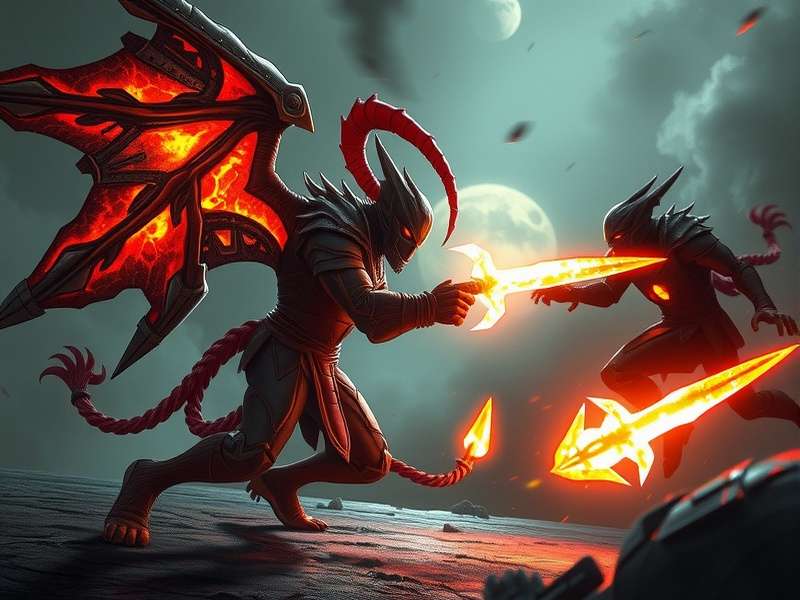
Morjim Overlords Rage stands as a revolutionary title in Indian game development, marking a significant milestone for desi gaming on the global stage. Developed with immense passion and dedication by the talented team at Daman Games and scheduled for release on August 22, 2025, this action-packed RPG has already generated massive excitement within the gaming community across India and beyond. What truly sets Morjim Overlords Rage apart is its seamless integration of authentic Indian cultural elements with deep RPG mechanics, open-world exploration, and fast-paced combat that can compete with the best international titles in the genre.
Set in the mythical realm of Aryavarta—a vast, open world inspired by ancient India's kingdoms, folklore, religious heritage, and geographical diversity—the game invites players to step into the shoes of legendary heroes and mythical beings, each with their own unique abilities, backstories, and playstyles. Unlike many fantasy RPGs that rely on generic Western tropes, Morjim Overlords Rage proudly showcases its Indian identity, incorporating everything from traditional martial arts like Kalaripayattu, Silambam, and Gatka to mythological weapons such as the Sudarshana Chakra, Trishul, and Vajra, and even ancient Indian philosophical concepts like Dharma, Karma, and Moksha into its core gameplay and narrative.
One of the primary objectives behind Morjim Overlords Rage was to create a game that resonates deeply with Indian gamers while remaining accessible and enjoyable for international audiences. The development team has gone to extraordinary lengths to ensure cultural authenticity, collaborating closely with martial arts experts, mythologists, cultural scholars, historians, and even linguists to accurately represent Indian traditions, folklore, and languages. From the character designs inspired by regional attire from different parts of India—such as the Rajputana armor, South Indian veshti, and Punjabi pagri—to the background music featuring classical Indian instruments like the sitar, tabla, veena, and shehnai, every aspect of the game exudes genuine desi flavor.
Morjim Overlords Rage offers a rich and varied gameplay experience to cater to different playstyles. Whether you prefer immersive single-player campaigns that delve deep into the game's intricate lore, cooperative multiplayer quests with friends, competitive PvP battles, or simply exploring the vast open world and discovering its hidden secrets, there's something for every type of gamer. The game's combat system is designed to be easy to learn but difficult to master, making it accessible to casual players while offering enough depth, complexity, and customization to satisfy hardcore RPG enthusiasts. The open world of Aryavarta is meticulously crafted, with each region inspired by a different part of India—from the snow-capped Himalayan peaks of Uttarakhand to the lush backwaters of Kerala, the arid deserts of Rajasthan to the dense forests of Madhya Pradesh, and the ancient temples of Tamil Nadu to the bustling cities of Uttar Pradesh—each with its own unique environment, wildlife, NPCs, quests, and challenges.
The game's release has been highly anticipated across India, with pre-registration numbers shattering records for an Indian-developed title. Gamers from all corners of the country are excited to finally see a homegrown game that celebrates their culture, heritage, and mythology while delivering the same level of polish, depth, and excitement as international hits. Morjim Overlords Rage is not just a game; it's a celebration of Indian culture, a showcase of the immense talent and potential of Indian game developers, and a testament to the growing strength and maturity of the Indian gaming industry.
Development Journey
The journey of Morjim Overlords Rage began in early 2018, when a small team of passionate developers at Daman Games came together with a bold vision: to create an open-world action RPG that would celebrate Indian culture and mythology like never before. What started as a modest project with just 15 team members soon grew into an ambitious undertaking, with the team expanding to over 250 members including artists, designers, programmers, writers, martial arts experts, mythologists, historians, cultural consultants, and sound engineers.
One of the biggest challenges faced by the development team was striking the right balance between cultural authenticity and engaging gameplay. The team spent countless hours researching ancient Indian texts such as the Vedas, Puranas, Mahabharata, and Ramayana, studying traditional martial arts forms, visiting historical sites and temples across India, and consulting with experts to ensure that every aspect of the game—from character designs and combat moves to the game world and narrative—was rooted in Indian culture and mythology. They also worked closely with martial arts masters from different parts of India to accurately recreate fighting styles like Kalaripayattu (from Kerala), Silambam (from Tamil Nadu), Gatka (from Punjab), Thang-ta (from Manipur), and Musti Yuddha (from Uttar Pradesh) in the game, ensuring that each style's unique techniques, principles, and philosophy were faithfully represented.
Another major challenge was creating a game world that felt authentically Indian yet was large enough and diverse enough to satisfy modern open-world RPG expectations. The team spent over a year traveling across India, visiting different regions to study their geography, architecture, wildlife, and culture. This research helped them create the vast world of Aryavarta, which spans over 50 unique regions, each inspired by a different part of India. From the snow-covered Himalayan mountains to the tropical forests of the Northeast, from the arid deserts of Rajasthan to the coastal plains of Gujarat, each region in the game features distinct landscapes, vegetation, wildlife, architecture, and cultural practices, making the world feel rich, varied, and authentic.
The development team also faced the challenge of creating a narrative that would appeal to both Indian and international audiences. They recognized that while Indian gamers would be familiar with the game's mythological references and cultural elements, international players might not have the same background knowledge. To address this, they created a comprehensive lore system that explains the game's mythology, history, and cultural context in an accessible way, without overwhelming players. The game's main story is designed to be engaging and emotionally resonant on its own, while also incorporating deep mythological themes and references that will appeal to players familiar with Indian mythology.
The development process was marked by a strong commitment to inclusivity and representation. The team made a conscious effort to represent the diverse cultures, languages, and traditions of India, featuring characters from different regions, religions, and backgrounds, and incorporating elements from various Indian languages and dialects. The game supports 11 different Indian languages—including Hindi, Tamil, Telugu, Bengali, Kannada, Malayalam, Punjabi, Gujarati, Marathi, Urdu, and English—allowing players to enjoy the game in their mother tongue, which is a significant milestone for an Indian-developed AAA title.
Over the course of seven years, the game went through multiple iterations and refinements. The team conducted extensive playtesting sessions with gamers from different backgrounds, age groups, and skill levels to gather feedback and improve the gameplay, story, and world design. They also invested heavily in optimizing the game for different platforms, ensuring that it runs smoothly on everything from high-end PCs and next-gen consoles to mobile devices, without compromising on quality or performance.
The development team's hard work and dedication have paid off, as Morjim Overlords Rage has already received widespread acclaim from critics and gamers alike. Preview builds of the game have been praised for their stunning visuals, immersive world, fluid combat, deep storytelling, and authentic cultural representation. With its August 22, 2025 release date fast approaching, anticipation for Morjim Overlords Rage continues to grow, and it's poised to become one of the biggest gaming releases of the year, not just in India but globally.
Cultural Impact & Significance
Morjim Overlords Rage is more than just a game; it's a cultural phenomenon that has the potential to reshape the Indian gaming industry and redefine how Indian culture is represented in mainstream gaming. For years, Indian gamers have been underserved by the global gaming industry, with most major titles being developed for Western audiences and featuring Western cultures, mythologies, and aesthetics. Morjim Overlords Rage changes that by putting Indian culture front and center, giving gamers a chance to see themselves, their traditions, and their mythology represented in a high-quality, AAA gaming title.
The game's focus on Hindu mythology and Indian martial arts is particularly significant, as it helps to preserve and promote these ancient traditions among younger generations. In an increasingly globalized world, many young Indians are becoming disconnected from their cultural roots, but Morjim Overlords Rage makes learning about mythology, history, and martial arts fun and engaging. The game's characters are all based on mythological figures or historical warriors, and each character's backstory, abilities, and personality are deeply rooted in Indian folklore and history, giving players an opportunity to learn about their culture while enjoying the game.
For example, the character of Arjun—based on the legendary warrior from the Mahabharata—uses a bow and arrow as his primary weapon, and his abilities are inspired by the Pashupatastra and other divine weapons mentioned in the epic. The character's backstory explores his journey from a skilled archer to a wise warrior who understands the true meaning of Dharma, giving players a deeper appreciation for the philosophical themes of the Mahabharata. Similarly, the character of Rani Lakshmi Bai—based on the historical queen of Jhansi—uses a sword and shield, and her combat style is inspired by Rajput martial arts, showcasing the bravery and valor of Indian women warriors.
Morjim Overlords Rage also has the potential to put Indian game development on the global map. For too long, Indian developers have been seen as providers of casual mobile games rather than creators of high-quality, AAA titles. But Morjim Overlords Rage proves that Indian developers have the talent, skill, vision, and resources to create games that can compete with the best in the world. The game's success is likely to inspire other Indian developers to create more culturally authentic games, leading to a new wave of desi gaming titles that celebrate Indian culture and mythology.
The game is also expected to have a significant economic impact, creating jobs in the Indian gaming industry and boosting the country's digital economy. The Indian gaming industry is already growing at a rapid pace, with revenues expected to reach $8 billion by 2027. Morjim Overlords Rage is likely to play a major role in this growth, attracting new gamers to the industry, generating significant revenue for Daman Games and other Indian gaming companies, and creating opportunities for game developers, artists, writers, and other professionals in the industry.
Furthermore, Morjim Overlords Rage has the potential to promote Indian culture and tourism on a global scale. The game's beautifully rendered open world, which features many iconic Indian landmarks and landscapes, is likely to spark interest in Indian culture and history among international players. This could lead to increased tourism to India, as players are inspired to visit the real-world locations that inspired the game's regions. The game also serves as a cultural ambassador for India, showcasing the country's rich heritage, diversity, and traditions to a global audience.
Finally, Morjim Overlords Rage is a source of immense national pride for Indians around the world. It's a game that celebrates India's rich cultural heritage, showcases the country's technical prowess, and proves that Indian developers can compete on the global stage. For many Indians, Morjim Overlords Rage is more than just a game; it's a symbol of India's growing influence in the global digital economy, a testament to the country's creative talent, and a source of inspiration for future generations of Indian game developers.
Technical Innovations
Morjim Overlords Rage is not just culturally significant; it also pushes the boundaries of technical innovation in Indian game development. The development team at Daman Games has invested heavily in creating cutting-edge technology to deliver a seamless, immersive gaming experience that rivals international AAA titles.
One of the most notable technical innovations in the game is its Dynamic World System, which creates a living, breathing open world that responds to the player's actions. Unlike many open-world games where the world feels static and scripted, Aryavarta in Morjim Overlords Rage is a dynamic environment where NPCs have their own daily routines, weather patterns change realistically, seasons pass, and events unfold based on the player's choices. For example, if the player helps a village defend against bandits, the village will thrive and offer new quests and rewards; if the player ignores the village's plea for help, the village will be destroyed, and the player will lose access to those quests and rewards. This dynamic system makes the world feel more immersive and realistic, and gives players a true sense of agency.
Another major technical achievement is the game's Advanced Combat Engine, which combines the fluidity of action games with the depth of RPGs. The combat engine uses a physics-based system that makes each attack feel weighty and impactful, and it supports a wide variety of combat styles, from fast-paced melee combat to long-range archery and powerful magic. The engine also features a sophisticated AI system that makes enemies behave intelligently, adapting to the player's combat style and working together in groups to provide a challenging and engaging experience. Enemies will dodge, block, counterattack, and use environmental hazards to their advantage, making each battle feel unique and strategic.
The game also features a Revolutionary Character Customization System that allows players to create highly personalized characters. Unlike many RPGs where customization is limited to changing a character's appearance, Morjim Overlords Rage allows players to customize every aspect of their character, including their combat style, abilities, skills, equipment, and even their personality and alignment. Players can choose from a wide variety of classes, each based on a different Indian martial art or mythological tradition, and they can further customize their character by selecting from a vast array of skills, abilities, and equipment. The game also features a unique Karma System that tracks the player's choices and actions, affecting their character's alignment (good, evil, or neutral) and unlocking different abilities and story paths based on their choices.
From a graphical standpoint, Morjim Overlords Rage is a technical masterpiece. The game uses a custom-built game engine that supports 4K resolution, ray tracing, and advanced lighting effects, creating stunning visuals that bring the world of Aryavarta to life. The game's art style is a unique blend of traditional Indian art and modern gaming aesthetics, with vibrant colors, intricate details, and breathtaking landscapes that showcase the beauty of India. The game also features highly detailed character models, with realistic animations and facial expressions that bring the characters to life.
The development team has also invested heavily in optimizing the game for different platforms, ensuring that it runs smoothly on everything from high-end PCs and next-gen consoles to mobile devices. The game uses a sophisticated Scalable Graphics Engine that automatically adjusts the game's visual settings based on the player's hardware, ensuring a consistent frame rate and smooth gameplay across all platforms. This is a significant achievement, as many open-world RPGs struggle to run smoothly on mobile devices, but Morjim Overlords Rage delivers a console-quality experience on smartphones and tablets.
Finally, the game features a Robust Multiplayer System that supports both cooperative and competitive gameplay. The multiplayer system uses dedicated servers to ensure smooth, lag-free gameplay, and it features a variety of game modes, including cooperative quests, raid battles, PvP arenas, and open-world PvP. The system also includes a comprehensive social features, such as guilds, chat, and trading, allowing players to connect with each other and play together in a seamless way.
Gameplay Mechanics
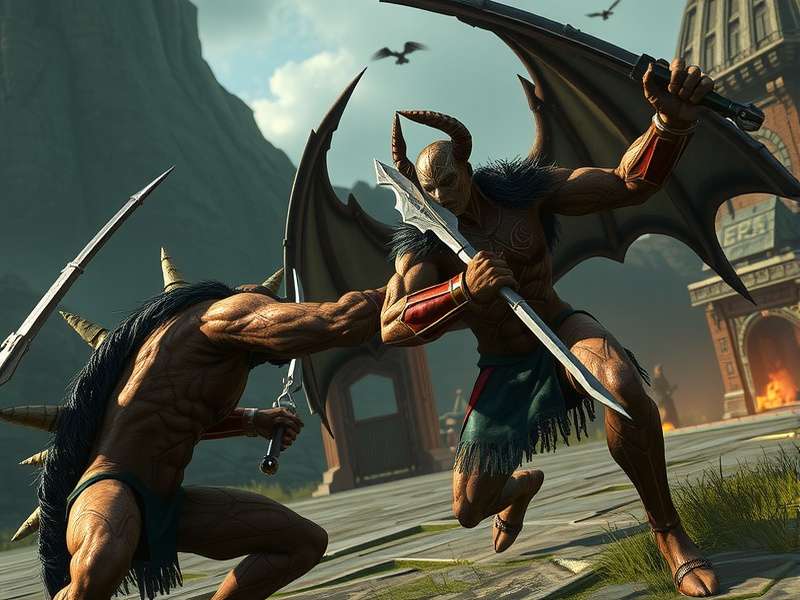
Core Gameplay Concept
Morjim Overlords Rage is an open-world action RPG that combines the best elements of open-world exploration, deep RPG mechanics, and fast-paced combat. The core gameplay revolves around exploring the vast, immersive world of Aryavarta, completing quests, battling enemies, leveling up your character, and uncovering the game's rich lore and story. The game is designed to give players maximum freedom, allowing them to choose their own path, whether they want to follow the main story, complete side quests, explore the world, or engage in multiplayer activities.
What sets Morjim Overlords Rage apart from other open-world RPGs is its deep integration of Indian culture and mythology into every aspect of gameplay. From the combat styles inspired by traditional Indian martial arts to the quests based on Indian folklore and the game's Karma system rooted in Indian philosophy, every element of the game is designed to celebrate Indian culture while delivering a fun and engaging gaming experience.
The game features a unique Prana System that serves as the foundation for both combat and exploration. Prana is a form of spiritual energy that flows through all living things in the world of Aryavarta, and it's used to power special abilities, magic, and even some environmental interactions. Players can build up their Prana gauge by defeating enemies, meditating at sacred sites, or consuming special items, and they can use this energy to unleash powerful attacks, heal themselves, or interact with the environment in unique ways. For example, players can use Prana to activate ancient runes, move heavy objects, or even control the elements.
Another key feature of Morjim Overlords Rage's gameplay is its emphasis on Environmental Interaction. The world of Aryavarta is filled with interactive elements that players can use to their advantage in combat and exploration. From destructible objects that can be used to crush enemies to environmental hazards like quicksand, lava, and falling rocks that can be manipulated to take down foes, the game encourages players to think creatively and use their surroundings to their benefit. The game also features a dynamic weather system that affects gameplay, with rain making the ground slippery, wind affecting ranged attacks, and fog reducing visibility.
The game's open world is designed to be both vast and dense, with a wide variety of biomes, regions, and points of interest to explore. From snow-capped mountains and dense forests to arid deserts and coastal plains, each region of Aryavarta has its own unique environment, wildlife, NPCs, and challenges. The world is filled with hidden secrets, including ancient temples, lost cities, and sacred sites, waiting to be discovered by curious players. The game also features a fast-travel system that allows players to quickly move between discovered locations, making it easy to explore the world without spending too much time traveling.
Combat System
The combat system in Morjim Overlords Rage is a perfect blend of action and RPG depth, designed to appeal to both casual and hardcore gamers. The system is easy to learn but difficult to master, with simple controls that allow players to jump into the action quickly, while offering enough complexity and customization to keep experienced players engaged.
At its core, the combat system is based on traditional Indian martial arts, with each class specializing in a different style. From the fast-paced, acrobatic Kalaripayattu to the heavy-hitting Gatka and the precise Silambam, each martial art offers a unique playstyle, with its own set of attacks, combos, and abilities. Players can choose their class at the beginning of the game, and they can further customize their combat style by unlocking new skills and abilities as they level up.
The combat system features three main types of attacks: light attacks, heavy attacks, and special attacks. Light attacks are fast but weak, making them ideal for starting combos or dealing quick damage. Heavy attacks are slower but more powerful, and they can break through an opponent's block or stagger them. Special attacks are powerful moves that consume Prana, and they range from devastating melee strikes to long-range projectiles and area-of-effect attacks.
One of the most innovative aspects of the combat system is the Combo Chain System, which allows players to chain together light, heavy, and special attacks in creative ways to create unique combos. Unlike many action games where combos are limited to specific sequences, Morjim Overlords Rage gives players a high degree of freedom to experiment and create their own combo strings. The system also features a Counter System that rewards skillful play, allowing players to counter enemy attacks by timing their blocks or dodges perfectly. Successful counters not only avoid damage but also leave enemies vulnerable to follow-up attacks.
The game also features a robust Magic System that draws inspiration from Indian mythology and spirituality. Players can unlock a wide variety of magical abilities, including fire, water, earth, air, and spirit magic, each with its own unique effects and uses. Magic is powered by Prana, and players can customize their magic loadout to suit their playstyle. For example, offensive players might focus on fire and air magic for powerful attacks, while defensive players might prefer earth and water magic for healing and protection.
Weapon customization is another key aspect of the combat system. The game features a vast array of weapons inspired by Indian mythology and history, including swords, axes, bows, spears, and even mythical weapons like the Trishul and Sudarshana Chakra. Each weapon has its own unique stats, abilities, and upgrade paths, allowing players to customize their loadout to suit their playstyle. Weapons can be upgraded using materials collected from the world or dropped by enemies, and they can be enchanted with Prana to unlock special abilities.
The game's AI system is designed to provide a challenging and engaging combat experience. Enemies come in a wide variety of types, from common bandits and wild animals to powerful mythical creatures and legendary warriors. Each enemy type has its own unique combat style, abilities, and weaknesses, requiring players to adapt their strategy to each encounter. The AI also features group behavior, with enemies working together to flank the player, support each other, and exploit the player's weaknesses. This makes combat feel dynamic and strategic, rather than just a matter of button-mashing.
Main Story Campaign
The Main Story Campaign in Morjim Overlords Rage is an epic journey through the world of Aryavarta, spanning over 60 hours of gameplay and featuring a rich, emotionally resonant narrative inspired by Indian mythology and folklore. The story follows the player's character as they embark on a quest to save Aryavarta from an ancient evil that threatens to destroy the world. Along the way, players will meet a cast of memorable characters, including legendary heroes from the Mahabharata and Ramayana, historical figures, and original characters created specifically for the game.
The story is divided into eight acts, each set in a different region of Aryavarta and focusing on a different aspect of the game's lore. From the lush forests of Madhya Pradesh to the ancient temples of Tamil Nadu, each act features a unique setting, new characters, and challenging quests that advance the main story. The narrative is filled with plot twists, moral dilemmas, and emotional moments, and it explores deep themes like Dharma (duty), Karma (action and consequence), and Moksha (liberation), giving players a deeper appreciation for Indian philosophy.
One of the unique features of the Main Story Campaign is the Choice-Based Narrative System, which allows players to make decisions that affect the outcome of the story. These choices range from small decisions that affect individual quests to major choices that alter the course of the entire campaign. For example, players might have to choose between saving a village or pursuing a powerful artifact, or between forgiving a villain or seeking revenge. Each choice has consequences, and the game's Karma system tracks these decisions, affecting the player's alignment and unlocking different story paths and endings.
The Main Story Campaign also features a variety of quest types to keep the gameplay fresh and engaging. From epic boss battles against mythical creatures like Rakshasas and Asuras to puzzle-solving quests that require players to decipher ancient Indian scripts, from stealth missions that require players to infiltrate enemy strongholds to large-scale battles that pit the player against armies of enemies, the campaign offers a wide variety of gameplay experiences.
Side Quests & Activities
In addition to the Main Story Campaign, Morjim Overlords Rage features over 200 side quests and activities that allow players to explore the world of Aryavarta in more depth and earn valuable rewards. These side quests are designed to be both engaging and meaningful, with their own unique stories, characters, and challenges.
Side quests in the game cover a wide range of themes and genres, from helping villagers solve problems and defeating local bandits to uncovering ancient secrets and participating in cultural festivals. Many side quests are inspired by Indian folklore and mythology, featuring characters and stories from regional legends and traditions. For example, players might help a farmer retrieve his stolen cattle from a group of goblins, assist a priest in performing a sacred ritual, or investigate a series of mysterious disappearances linked to a local legend.
One of the most popular types of side quests is the Mythic Quests, which task players with hunting down powerful mythical creatures or collecting legendary artifacts. These quests are some of the most challenging in the game, but they offer some of the best rewards, including unique weapons, armor, and abilities. For example, players might embark on a quest to defeat the Naga King in his underwater palace, or search for the legendary Philosopher's Stone that grants immortality.
The game also features a variety of repeatable activities that players can engage in to earn experience points, Prana, and valuable items. These activities include hunting wildlife for materials, gathering resources from the environment, participating in martial arts tournaments, and completing challenges at sacred sites. The game also features a Bounty Hunt System that allows players to track down and defeat dangerous criminals for rewards, and a Treasure Hunt System that sends players on quests to find hidden treasure chests scattered throughout the world.
Exploration & Discovery
Exploration is a core part of Morjim Overlords Rage's gameplay, and the world of Aryavarta is designed to reward curious players with hidden secrets, valuable loot, and unique experiences. The game's open world is vast and diverse, with over 50 unique regions to explore, each with its own distinct environment, wildlife, and points of interest.
One of the most exciting aspects of exploration is discovering the world's many hidden locations. From ancient temples hidden deep in the mountains to lost cities buried beneath the desert, the world of Aryavarta is filled with secrets waiting to be uncovered. These hidden locations often contain valuable loot, powerful artifacts, and unique quests that can't be found anywhere else. For example, players might stumble upon a hidden cave filled with glowing crystals that grant Prana, or discover an ancient ruin that holds the key to a long-lost civilization.
The game also features a variety of environmental puzzles that require players to use their wits and Prana abilities to solve. These puzzles range from simple tasks like activating switches in the correct order to complex challenges that require players to manipulate the environment, control the elements, or decipher ancient codes. Solving these puzzles often leads to valuable rewards or access to new areas.
Wildlife is another important aspect of the game's exploration. The world of Aryavarta is home to a wide variety of animals, both real and mythical. From tigers and elephants to Nagas and Garudas, the game's wildlife adds life and realism to the world. Players can hunt animals for food and materials, or they can simply observe them in their natural habitat. Some animals even play a role in quests, with players being asked to rescue endangered species or track down dangerous predators.
The game also features a dynamic day-night cycle and weather system that affects both exploration and combat. During the day, the world is bright and vibrant, with NPCs going about their daily routines and wildlife being more active. At night, the world becomes darker and more dangerous, with powerful monsters emerging from their lairs and bandits becoming more aggressive. Weather conditions like rain, snow, and fog can also affect gameplay, making it harder to see or move, but also creating unique opportunities for stealth or environmental attacks.